
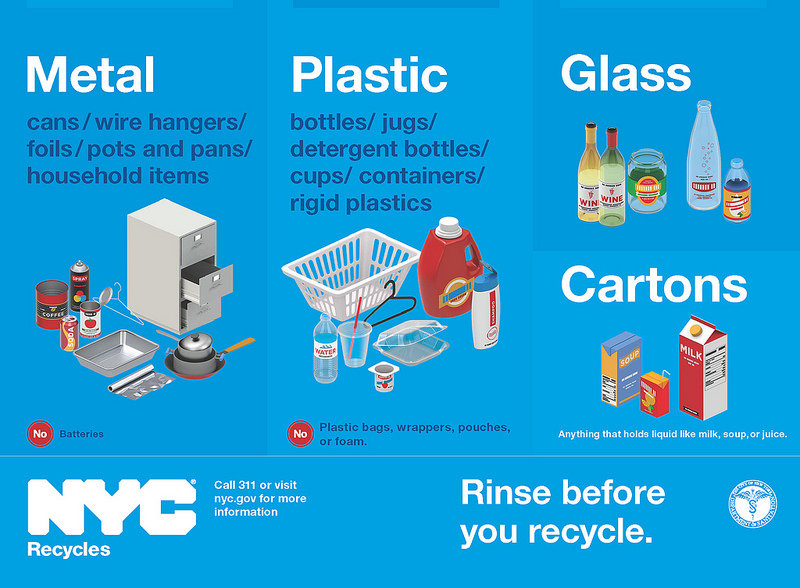
Recycling is an important process, which helps to reduce waste and conserves natural resources for the future used, avoiding dumpster rental services. ALL recycling processe just tend to work around the properties of these materials so depending on if it is paper, metal, wood glass or plastic. This will give you a clearer picture of the value provided by recycling and why it is important to address challenging waste management and reach zero waste.
Paper Recycling
According to Michael Smith, founder of New York Dumpster Rental HQ, paper is one of the most recycled materials in the world. The paper recycling process starts with the collection of used papers and tree leaves, office waste. These things are afterwards delivered to a recycling facility and separated according to their quality- or how usable they still appear.
So after sorting the paper is shred into small pieces and paste it in water to form a slurry or pulp. The pulp is next washed to remove impurities such as ink and glue which can contain various chemicals. Cleaning will typically involve some form of screening where the pulp passes through screens which help to remove large impurities and may also include deinking treatment, whereby chemicals are added or air bubbles serve as a way to lift minute ink particles from the pulp.
The cleaned pulp fixes the product, and is refined and beaten to finalize it for use. The pulp is then laid out on a screen that moves, and water drains away to leave a mat of fibers. The mat is then pressed further to extract even more water and finally dried into sheets of paper. Upon receiving the recycled paper, it can be rolled and cut into fresh products such as printer papers or even made for cardboards/packaging etc It can be used and recycled over the course of multiple cycles, although each cycle leads to a weakening or shortening of fibers until fresh virgin fiber is added.
Metal Recycling
Non-ferrous metals, like copper, aluminum and steel are a huge asset to the recycling industry because they can be recycled over an extended period of time without losing any of their inherent quality. Metal recycling occurs when scrap metal is collected and sorted. This is generally carried out using magnets, eddy currents and heavier non- metals manually sorting light material in the latter usually fermenting organic matter (by aerobiosis bacterial fermentation), making it possible to select compound foam that emerges on top of several types of sewage.
The metal is then cleaned of paint, coatings and any plastic additions after sorting. The metal that is cleaned it then boiled away in a furnace at very high temperatures. Different metals melt at different temperatures; for example, aluminum melts much easier than steel. Once fully molten, the liquid can be cast in molds and recast into new billets, bars or sheets that have been further rolled into product.
These are used in many industries including construction, automotive manufacture, packaging & electronics. Examples include recycling aluminum into new beverage cans and turning steel back in the production of new cars or building materials.
Wood Recycling
Wood recycling is collection, recovery and reuse of wood waste for beneficial purpose including diversion from landfill banks. The first step in the process is to collect and segregate wood so that it can be used based on quality. Pallets, furniture and construction debris are all examples of wood waste.
Wood, once sorted is cleaned to manage contaminants such as nails/screws/paint. From there, clean wood is delivered to be chipped or shredded into smaller pieces that can then could be used. The recycled wood chips are most commonly used for mulch, animal bedding or can be sold to privately owned composting operations.
Certain types of high-quality reclaimed wood can be used to make broad use in construction, furniture making or other applications whenever the aged look and value is attractive. By recycling the wood we can help reduce consumption on timber as a also helps in protecting our forests and reducing environmental destruction which revolves around logging activities happening around us.
Glass Recycling
Glass is also a recyclable material that can be recycled endlessly without deteriorating its quality. Glass recycling starts with collecting and sorting glass based on its color, typically clear, green and brown. Such separation is imperative as mixing glass of various colors can end in a single product that has varied color and quality.
The glass is cleaned to remove labels, caps and food that make up the largest percentage of its contaminants. They are then crushed to create small pieces of clean glass (known as cullet). The cullet is melted in a high-temperature furnace to form molten glass. The melted glass is formed into fresh items such as containers, jars or fiberglass.
Recycling glass starts with crushing, grinding and washing the waste for further reprocessing cullet is used in most of remedies it’s being energy saving method to use recycled materials instead of raw materials. In addition, the recycling of glass minimizes depletion of natural resources and reduces negative environmental impact (minimizing further mining for sand, soda ash and limestone).
Plastic Recycling
After metal and glass, plastic is the most difficult component to recycle – it comes in dozens of forms with different properties for recycling streams. It all starts with the collection and triaging of roughly sorted plastics.
Plastics are then washed after sorting to remove food remnants and labels. The clean plastic is shredded into granules or pellets. When post consumer plastic material is milled, the resulting flakes are often separated by density or color to guarantee consistency in appearance and performance of the final recycled product.
These are melted and turned into new shapes of plastic products. In the case of packaging that might mean returning it to a raw material in order create new bottles, containers, textiles or other products depending on what kind of plastic is used. On the other hand, all plastics are not recyclable and some of them like few types of Thermoset plastic which cannot be remelted or reshaped lead to difficulties in recycling.
Each of the properties and needs require an equally specific recycling processes for each material – paper, metal, wood glass or plastics.
Recycling these materials can save energy and reduce environmental pollution by occupying landfills for the purpose of disposal, which could conserve more natural resources. Recycling is effective, but that effectiveness requires efficient collection, sorting and processing systems as well as consumer participation in recycling programs. Only through a combination of ongoing innovation and increased investment in recycling technologies can we further enhance these practices to help the world transition towards becoming more sustainable.

